Pooja Rangan: What does it mean to look at prisons, and what might it mean to unmake the images and practices that keep prisons in place? I’m Pooja Rangan and this is Unmaking the Prison Image, a three-episode series produced by visualizing abolition across three conversations. I speak with filmmakers, scholars, and system impacted artists and organizers who are rethinking how documentary shapes what we see and imagine about prisons.
Christopher Harris: If classroom images kind of lock our way of looking at the world into a rigid structure, then maybe an abolitionist image has the potential to break that structure first.
Thanh Tran: There’s a closet full of cameras here at this prison that nobody knows how to use. We need you to teach yourself film, teach the rest of the prison population, film, and then make films that would get us out of prison.
Brett Story: I can’t just decide that this image gets to be abolitionist, you know, or this narrative gets to be abolitionist. It’s going to exist outside of me, and it might get appropriated. It might get weaponized.
Pooja Rangan: From teaching abolition through filmmaking to confronting sexual violence without reproducing it, to challenging collaborations between prisons and entertainment media. This series explores how documentary can help us envision a world without prisons unmaking the prison image. Subscribe now wherever you get your podcasts.
Unmaking the Prison Image is a production of Visualizing Abolition, a public scholarship initiative at the University of California, Santa Cruz, directed by Gina Dent and Rachel Nelson. Podcast produced by Alex Moore, Louise Leong, and Pooja Rangan. Eric “Maserati E” Abercrombie is our editor and sound designer.
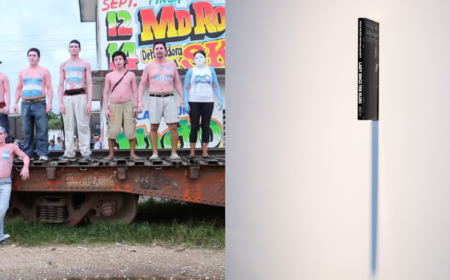
Theme music for Visualizing Abolition is Pray by Terri Lyne Carrington and Social Science. Our cover art features an image from Christopher Harris’s still/here.
Listen on Apple Podcasts, Spotify, SoundCloud or wherever your podcasts.